

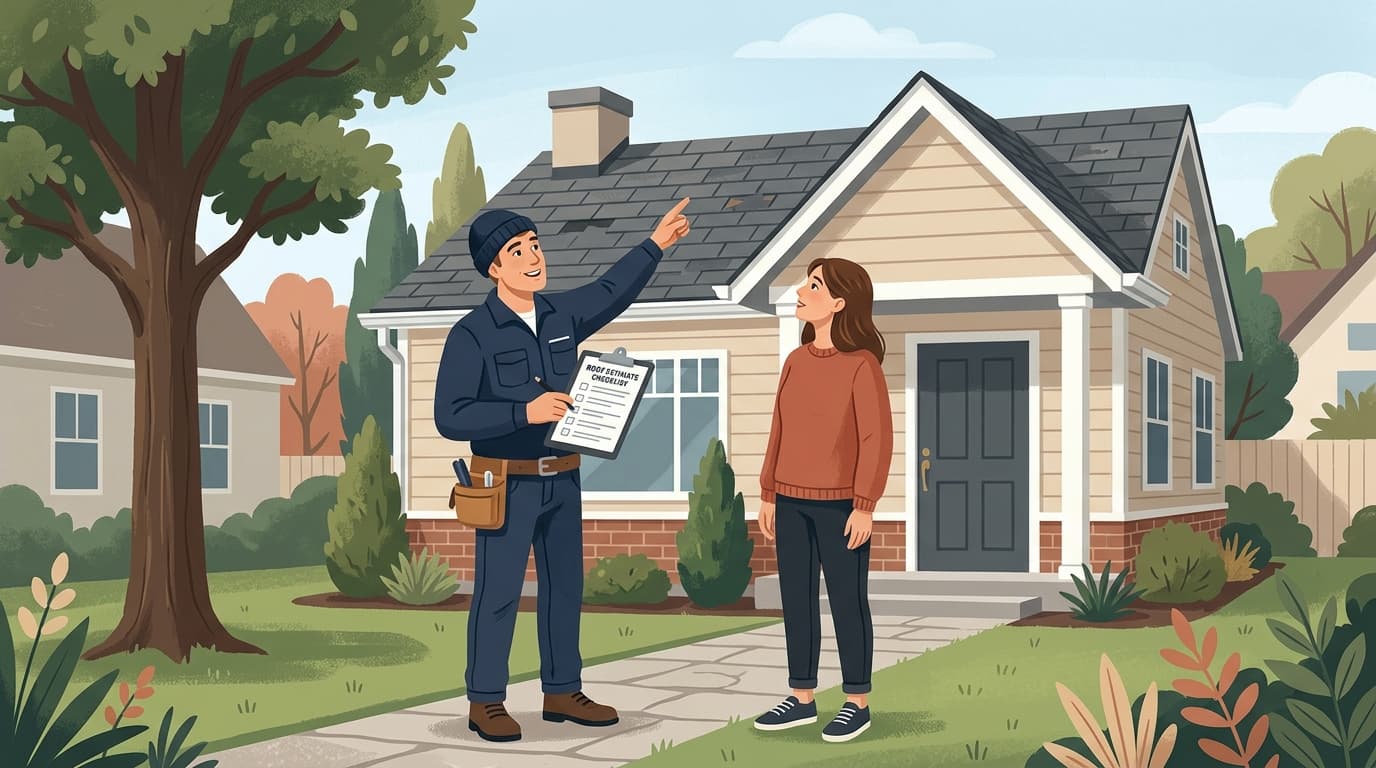
Deciding between a targeted roof repair and a full replacement comes down to three measurable factors: the total percentage of damaged surface, the remaining service life of the roofing system, and whether water has penetrated the structural roof deck. If damage is restricted to a small, isolated plane and the underlying decking and membrane remain sound, a professional repair can save thousands; however, when shingles show widespread granule loss or curling past 20 years of age, repeated patchwork costs more than a planned tear-off.
When to repair vs. replace your roof
A spot repair is appropriate when damage is isolated to a specific incident—such as a fallen tree limb or wind-lifted shingles on a single slope—on a roof under 15 years old. In contrast, replacement is warranted when more than 25% to 30% of the entire roof area is degraded, when shingles are brittle across all facets, or when interior drywall leaks stem from multiple unidentified entry points.
Homeowners often default to asking for the lowest number without knowing whether their municipal building code permits another layer. Most North American jurisdictions enforce building codes (such as the International Residential Code) that prohibit installing a second layer of shingles if two or more layers of roofing already exist, or if the underlying decking is spongy or rotted.
| Evaluation Factor | Targeted Repair Scenario | Full Replacement Scenario |
|---|---|---|
| Roof age | Under 12–15 years with documented maintenance history | 20+ years for standard 3-tab or architectural asphalt shingles |
| Damage distribution | Isolated to one ridge cap, valley, or wind-blown shingle cluster | Widespread granule loss in gutters, curling tabs, or soft valleys |
| Substrate condition | Plywood/OSB sheathing firm, dry, and structurally intact | Widespread moisture stains, sagging rafters, or delaminated decking |
| Code limits | Single layer present; matching shingle profile available | Two existing layers require complete tear-off down to sheathing |
Key inspection zones beyond shingles
Shingles are only the visible wear layer of a watertight roof. True roofing failures almost always originate at transitions, penetrations, and perimeter edges. When evaluating an estimate, ensure the contractor has personally examined each of these four critical zones:
- Valleys: The junction where two roof slopes meet carries the highest volume of water. Inspect whether the valley uses closed-cut shingles, an open metal valley, or an ice-and-water shield membrane underneath.
- Step and counter-flashing: Chimneys, dormers, and sidewalls require two-part metal flashing embedded into mortar joints or behind siding. Caulk alone is a temporary patch, not a permanent roof repair.
- Plumbing vent boots and skylights: Rubber gaskets around plumbing stacks degrade from UV exposure after 8 to 10 years, frequently causing ceiling leaks falsely attributed to shingle failure.
- Eaves and drip edges: Metal drip edge flashing must extend past the fascia into gutters to prevent capillary action from rotting the edges of roof plywood sheathing.
How to compare contractor estimates
When comparing bids from local roofers, normalize the proposals by verifying that each line item accounts for both labour and materials. A proposal that appears significantly lower often omits disposal costs, sheathing replacement allowances, or code-mandated ice barriers. Use our contractor quote comparison guide alongside the following line-item checklist:
Tear-off vs. overlay: Confirm whether the scope includes full removal of old shingles, felt paper, and nails down to bare wood sheathing, or merely an overlay.
Decking replacement terms: Bids should specify a predetermined per-sheet price (e.g., $85–$120 per 4x8 plywood sheet) for rotted sheathing discovered after tear-off, rather than leaving surprise structural charges open-ended.
Debris disposal and ground protection: Verify that the quote includes roll-off dumpster delivery, magnetic sweep of driveways and lawn areas for stray roofing nails, and tarping over delicate landscaping.
Underlayment, flashing, and attic ventilation
Modern roofing performance relies heavily on synthetic underlayment and balanced intake and exhaust ventilation. In cold and freezing climates, local codes require a self-adhering ice-and-water barrier extending at least 24 inches inside the interior heated wall line to protect against winter ice dams.
Equally critical is attic airflow. Installing high-performance architectural shingles on an unventilated attic will trap heat and moisture, prematurely baking the shingles from below and invalidating manufacturer material warranties. Confirm that your roofer calculates the net free ventilating area (NFVA) ratio of soffit intake vents to ridge exhaust vents.
Warranties and common contractor red flags
Always separate the manufacturer material warranty (typically 25 to 50 years covering defective shingles) from the contractor’s workmanship warranty (typically 2 to 10 years covering installation errors). Most roof leaks occur within the first two years due to improper flashing or incorrect nail placement, meaning an extended manufacturer warranty provides zero relief if the contractor nailed high or misaligned valley seams.
Pause before hiring if a contractor asks for 100% upfront payment, claims building permits are unnecessary for complete replacements, or operates without verified commercial general liability and workers’ compensation insurance. You can review verification procedures in our contractor credential verification guide.
Next steps and finding roofers
Before inviting contractors to your property, draft a written scope listing the known age of your roof, photograph any active leak spots, and request written estimates that detail shingle manufacturer, underlayment type, flashing replacement, and cleanup terms. Explore dedicated roofing contractor service scopes or browse published local providers on the Crewdax roofing directory map.